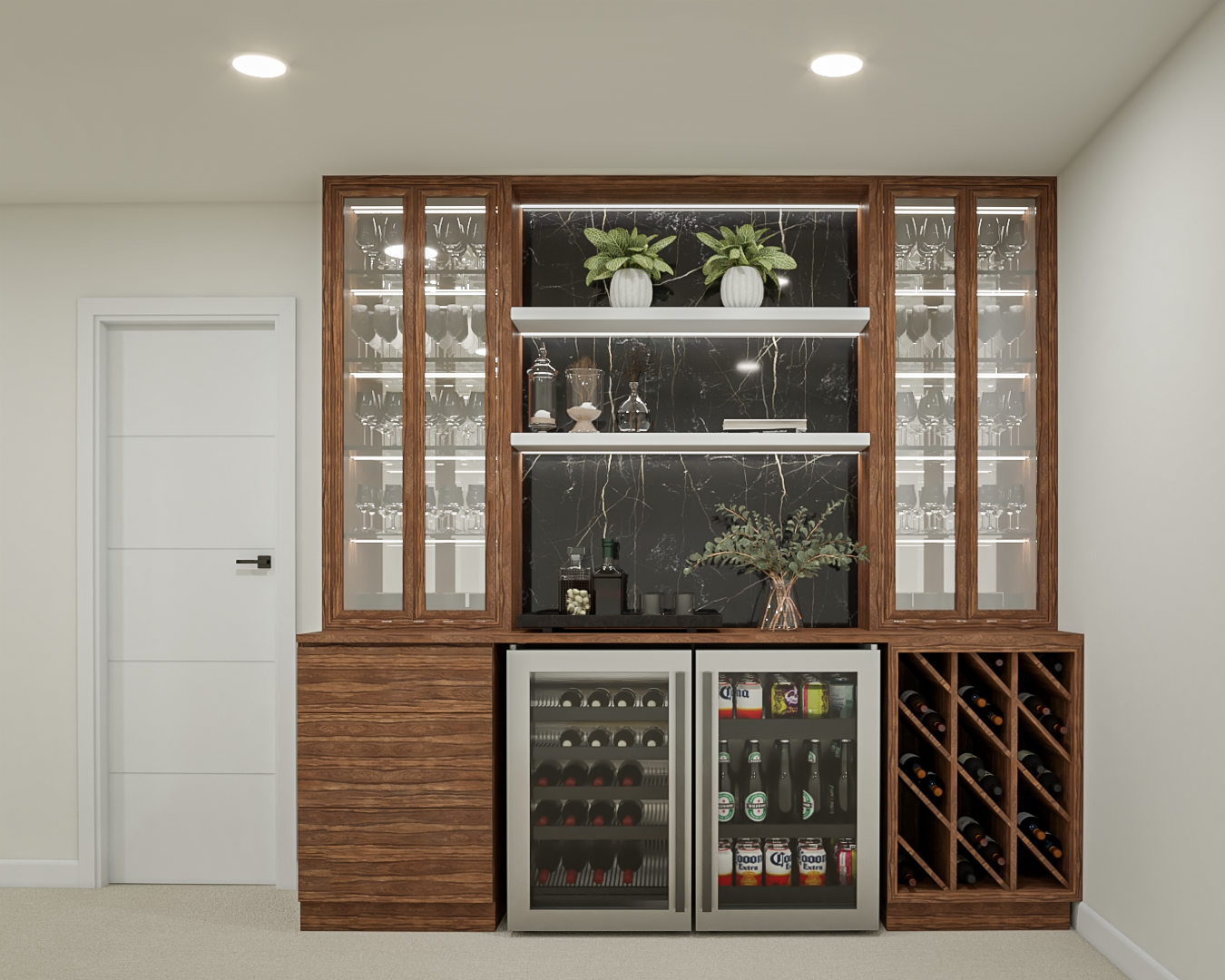
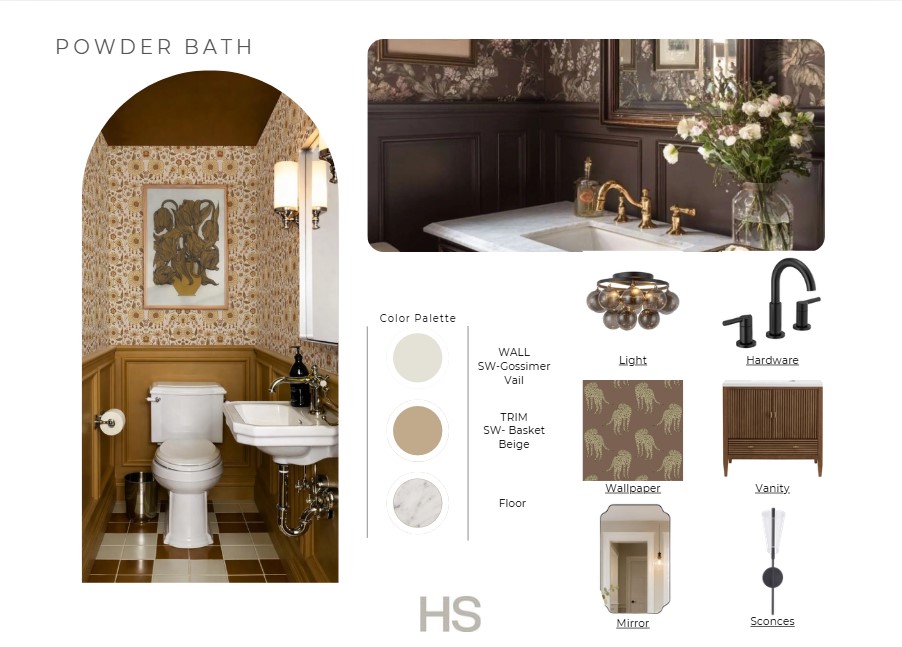
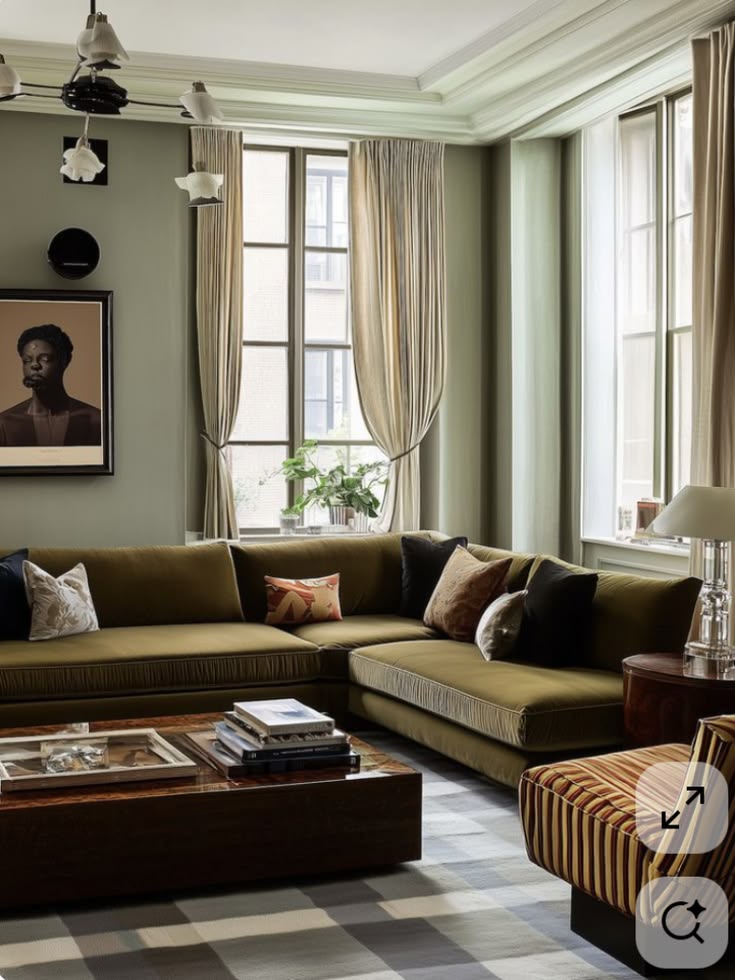
The Parade of Homes is more than a showcase of beautiful spaces—it’s a living, breathing snapshot of where residential design is headed. For designers, it’s an opportunity to step outside the day-to-day of client work and immerse ourselves in a curated collection of ideas, craftsmanship, and innovation. Walking through each home, you’re not just observing finishes—you’re experiencing how design, construction, and lifestyle intersect in real time.
Being part of the Parade, whether as a participant or observer, pushes designers to elevate their work. It creates a standard of excellence that naturally encourages more thoughtful detailing, better material selections, and stronger collaboration with builders and trades. When you know your work will be viewed, compared, and experienced by the public and peers alike, it challenges you to refine every decision. That pressure, in the best way, leads to higher-quality outcomes across the board.
There’s also an element of healthy competition that fuels creativity. Seeing how others solve similar design problems—kitchen layouts, storage solutions, or indoor-outdoor transitions—sparks new ideas and perspectives. It prevents stagnation. Design can easily fall into patterns, especially when trends dominate, but the Parade encourages innovation and risk-taking. It reminds us that each client is different, and great design should reflect a wide range of lifestyles, aesthetics, and needs.
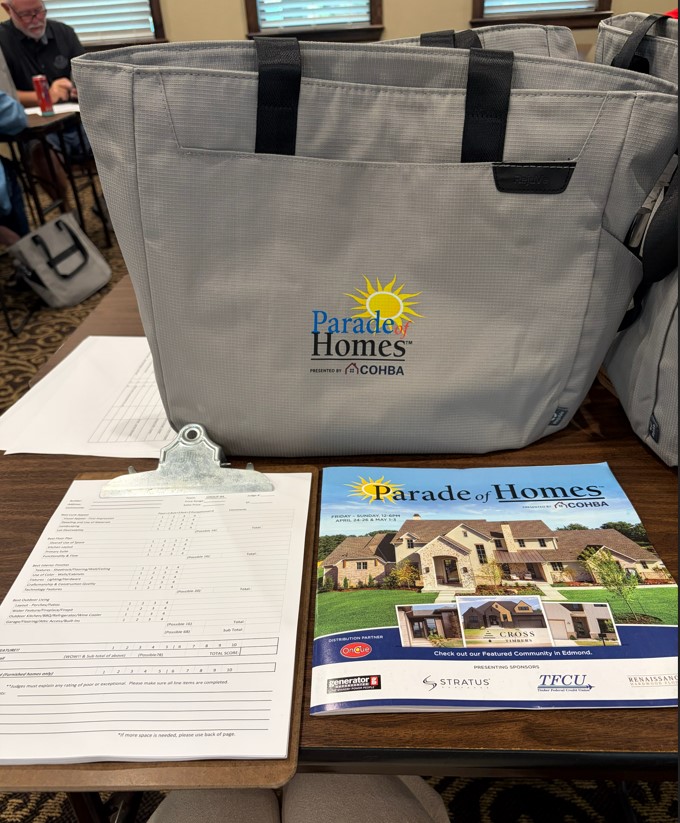
This year, Hardt Studio had the unique opportunity to serve as a judge for the OKC Parade of Homes, which added another layer of insight. Each judging team was intentionally composed of a builder, a real estate agent, and a designer—bringing together multiple perspectives on what makes a home not just beautiful, but livable and marketable. The homes we reviewed also spanned a generous range of price points, which made the experience even more valuable. It allowed us to see how thoughtful design translates across budgets and how different buyers are being served in today’s market.

As judges, we evaluated homes across a wide range of categories that reflect the full design experience. This included first impressions like curb appeal, exterior material use, landscaping, and overall lot desirability. Inside, we looked closely at textures and finishes—tile selections, countertops, sheetrock detailing, ceiling treatments, and flooring—as well as the intentional use of color and decoration. Functionality played a major role too, from how space was utilized to the efficiency and flow of kitchen layouts and the comfort and design of primary suites. We also considered how homes incorporated modern living through technology, garage functionality, and outdoor spaces like patios, fire pits, and cooking areas. Finally, lighting fixtures and hardware were evaluated for how they complemented and elevated the overall design.

For homebuyers, the Parade of Homes is just as impactful—if not more so. It offers a rare opportunity to walk through multiple homes in a short period of time, experiencing different layouts, finishes, and design approaches firsthand. Instead of imagining what a floor plan might feel like on paper, buyers can physically move through spaces and begin to understand what truly fits their lifestyle. It also helps people refine their preferences—what they love, what they don’t, and what they didn’t even know was possible.

From a design perspective, this year’s Parade revealed some clear and evolving trends. The butler’s pantry or walk-in pantry is quickly becoming a standard feature rather than a luxury, reflecting a shift toward both functionality and hidden storage. Open-concept living—blending kitchen, dining, and living spaces—continues to dominate, often anchored by large kitchen islands that act as both workspace and gathering point.
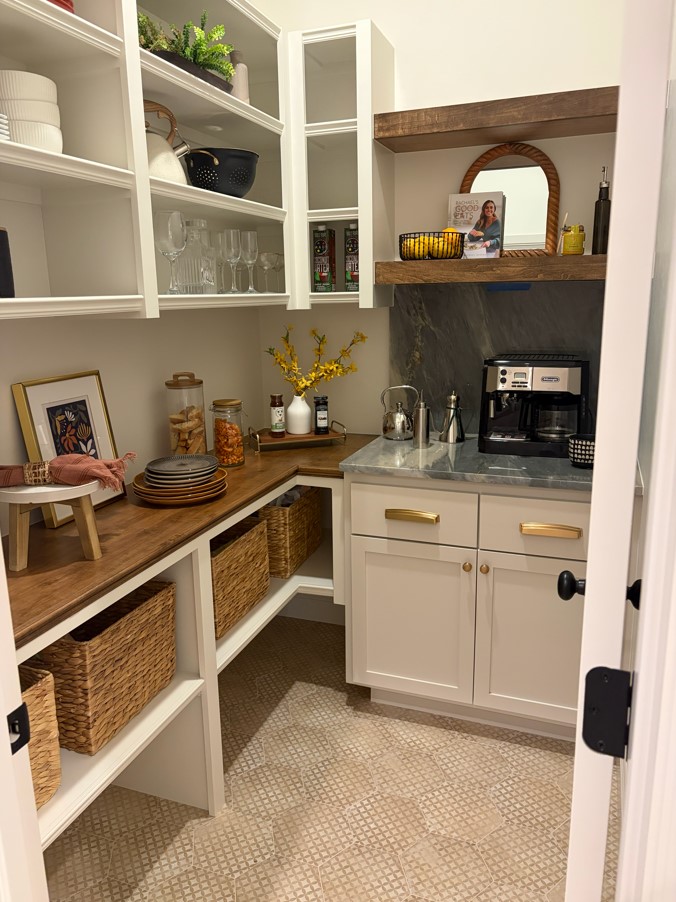
Visually, we’re starting to see a welcome shift away from the all-white or all-black interiors that have defined recent years. There’s a growing confidence in the use of color, both in fixed elements and in decor. The introduction of category color in this year’s judging criteria seemed to encourage that exploration, and it showed—homes felt more layered, more personal, and more expressive. Alongside that, materials are becoming more dynamic. We saw bolder countertop veining, more expressive tile selections in both flooring and showers. We also saw the use of faux wooden ceiling beams grow in popularity!

The Parade of Homes continues to be an invaluable experience—for designers, for builders, and for anyone dreaming about their future home. It sets the tone for where the industry is going, encourages higher standards, and invites creativity at every level. Whether you’re designing, building, or simply exploring, it’s a reminder that great homes are not just built—they’re thoughtfully imagined, challenged, and brought to life with intention.