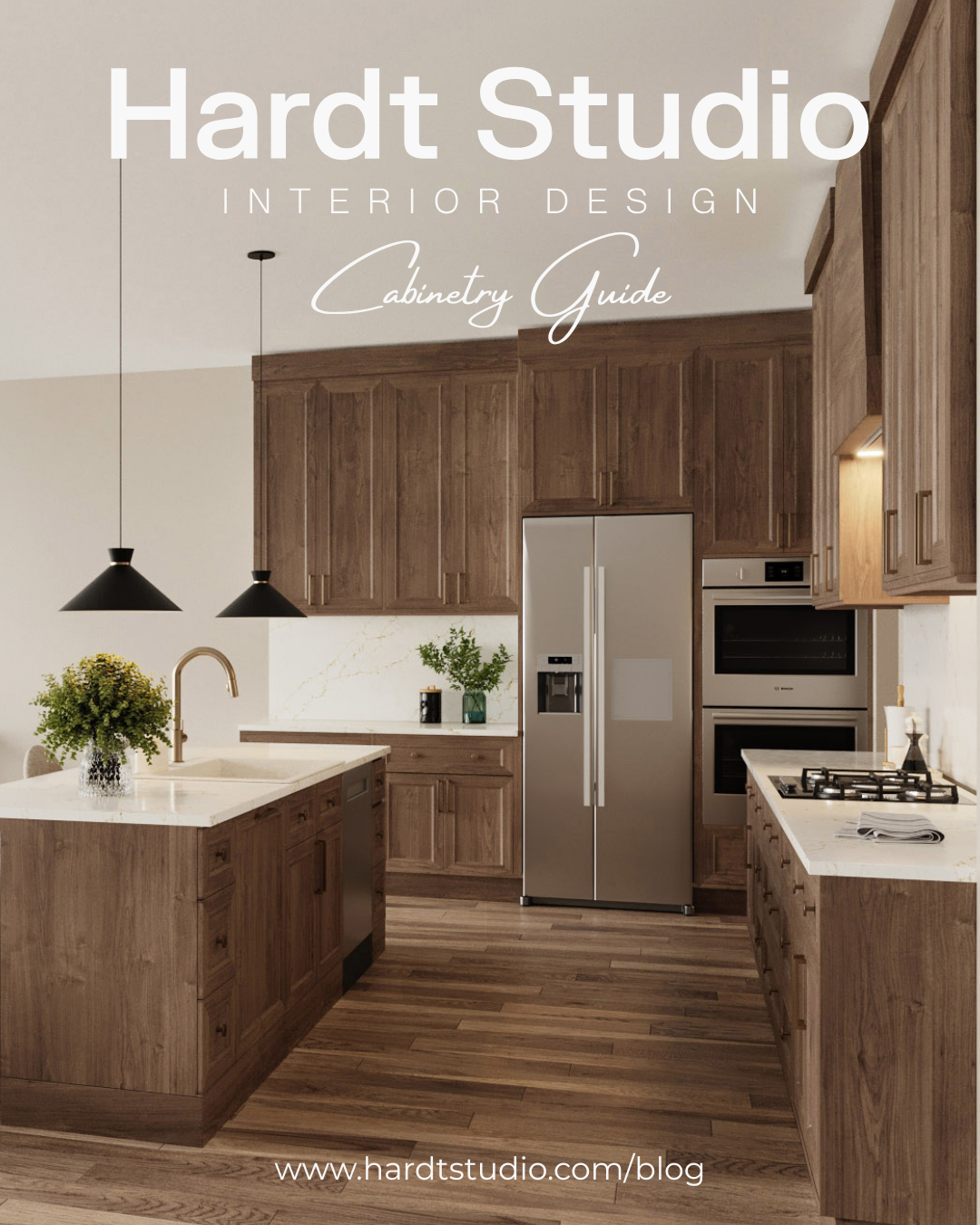
When it comes to shaping the feeling of your home, cabinetry quietly does the heavy lifting. It’s one of the largest visual elements in a kitchen, bathroom, or built-in space—and one of the biggest investments you’ll make. The right cabinets can elevate your home instantly, while the wrong choice can date a space just as quickly. From style to finish to wood selection, every detail matters—not just for aesthetics, but for durability, resale value, and overall cost.
Cabinet Styles: Where Form Meets Function
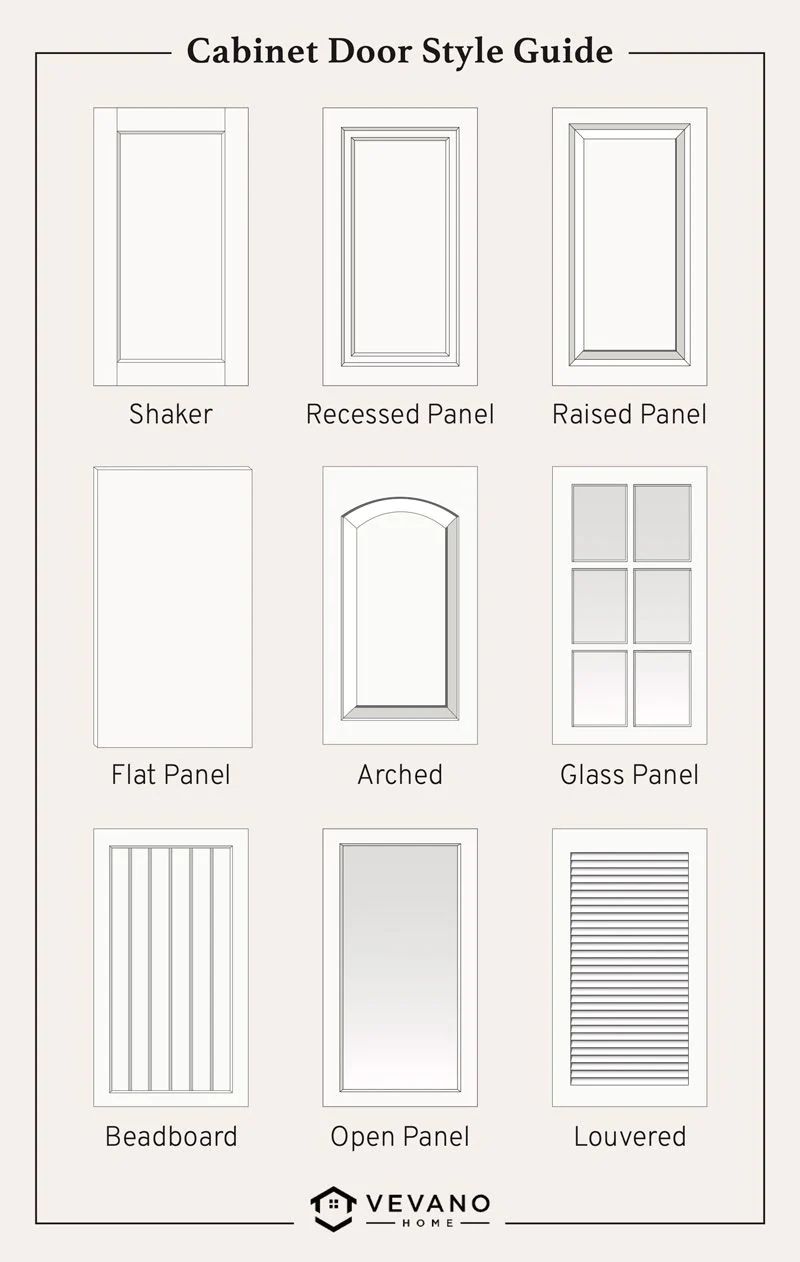
Cabinet style is the foundation of your design. Whether you’re drawn to clean lines or something more traditional, the structure of the cabinet door sets the tone for the entire space.
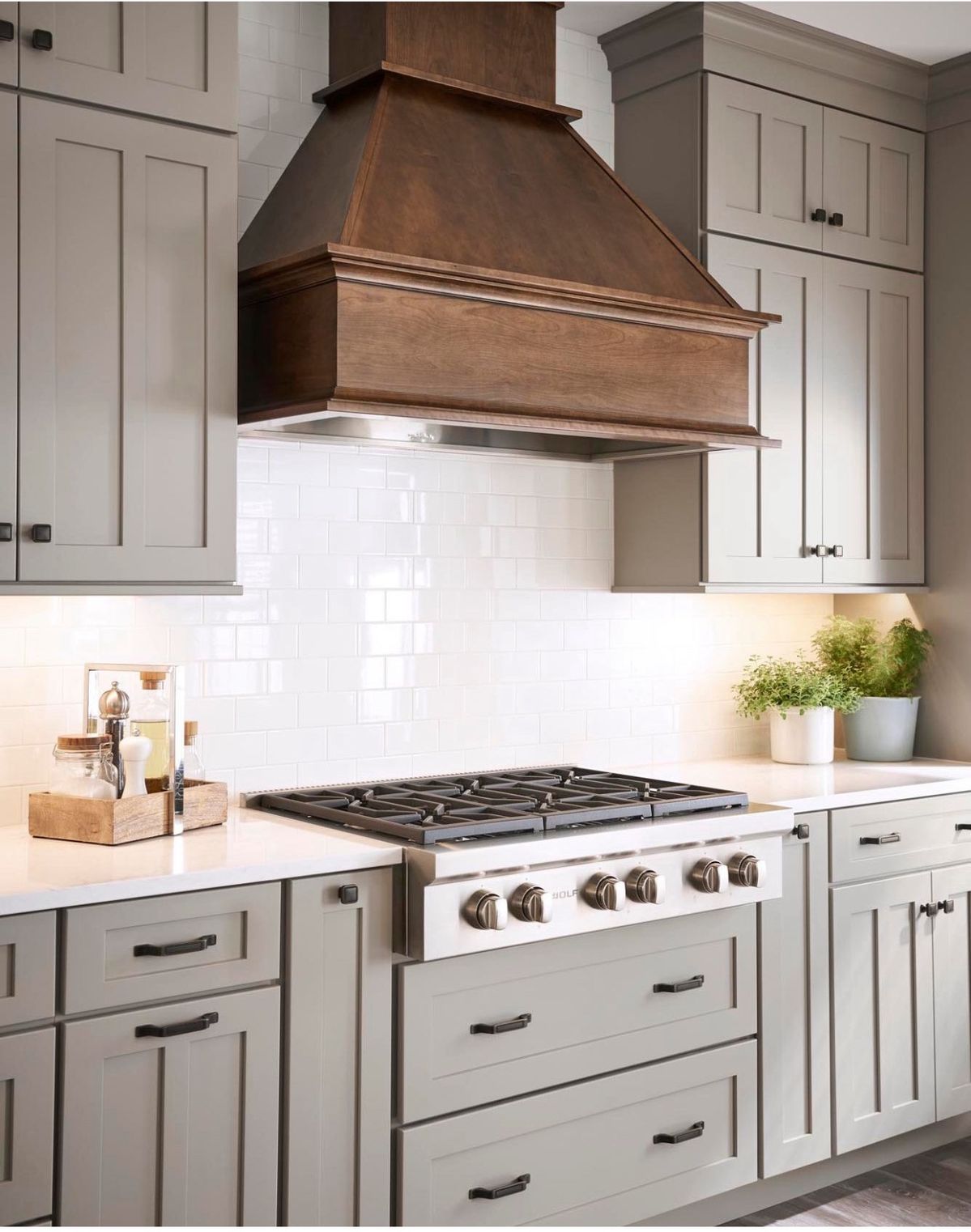
- Shaker Cabinets are the go-to for a reason. Their simple, recessed panel design is timeless and versatile, working across modern, transitional, and classic homes. They’re also typically more cost-effective because of their straightforward construction.
- Flat-Panel (Slab) Cabinets lean modern and minimal. These are often used in contemporary spaces and can be slightly more affordable in MDF or laminate finishes—but can become pricier when done in real wood veneers or high-gloss lacquers.
- Inset Cabinets are a more traditional, furniture-style option where the door sits flush within the frame. These require precision craftsmanship, which significantly increases cost—but the payoff is a refined, high-end look.
- Raised Panel Cabinets bring a more ornate, classic feel. Due to the additional detailing and labor, they tend to fall on the higher end of the price spectrum.
Cost Insight:
The more intricate the door style and construction, the higher the price. Custom or inset cabinetry can cost 20–50% more than standard overlay styles.
Cabinet Colors, Stains & Paints: The Finish That Defines the Space
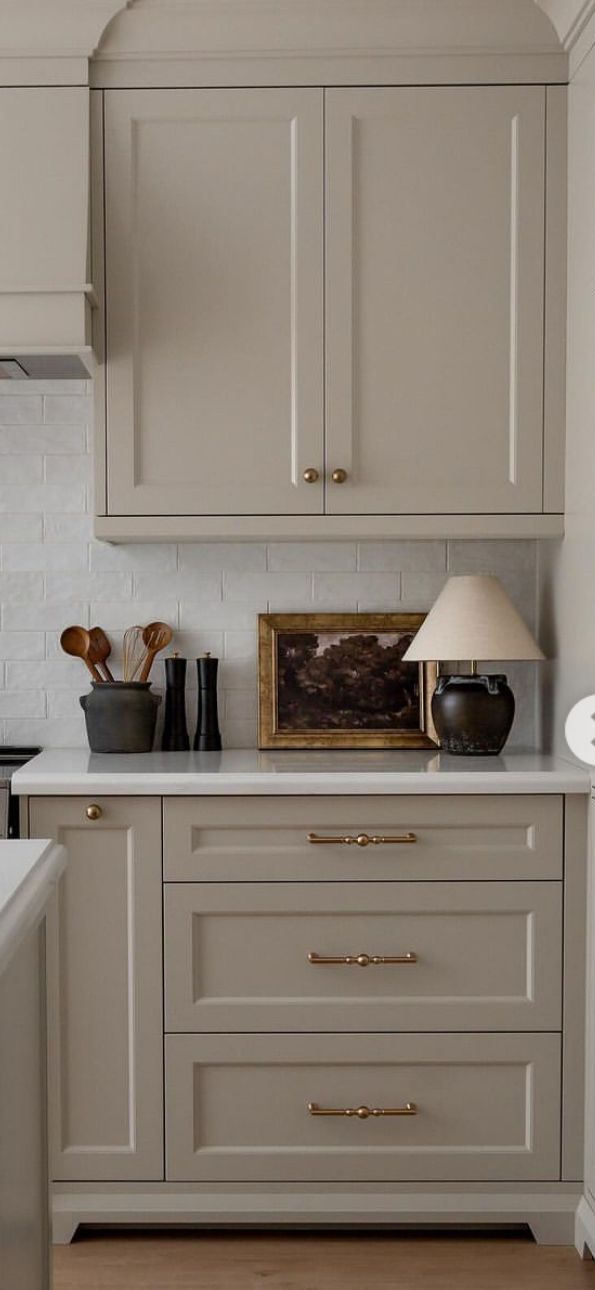
Once the style is selected, the finish brings it to life. Color and stain not only affect the mood of the space but also play a big role in cost and longevity.
- Painted Cabinets (think whites, creams, soft greens, or moody blues) are incredibly popular. However, they typically cost more than stained cabinets due to the labor-intensive finishing process. Painted finishes also show wear more easily over time, especially in high-traffic kitchens.
- Stained Wood Cabinets highlight the natural beauty of the material. They’re often more forgiving with wear and can be more cost-effective depending on the wood species. Medium to light stains are trending for their warmth and ability to age gracefully.
- Specialty Finishes like glazing, distressing, or custom color matching add character—but also cost. These are more labor-intensive and often push cabinetry into a higher price tier.
Cost Insight:
Paint-grade cabinets can be 10–25% more expensive than stain-grade, especially when using high-quality, multi-step finishing techniques.
Wood Types & Cuts: The Detail You Feel More Than You See
Not all wood is created equal—and the species and cut of wood you choose will impact both the look and the price of your cabinetry.
- Wood Species:
- Oak is durable and budget-friendly, with a prominent grain.
- Maple has a smoother, more subtle grain and sits at a mid-range price point.
- Cherry offers rich tones that deepen over time but comes at a higher cost.
- Walnut is a luxury option with deep, dramatic grain and a significantly higher price tag.
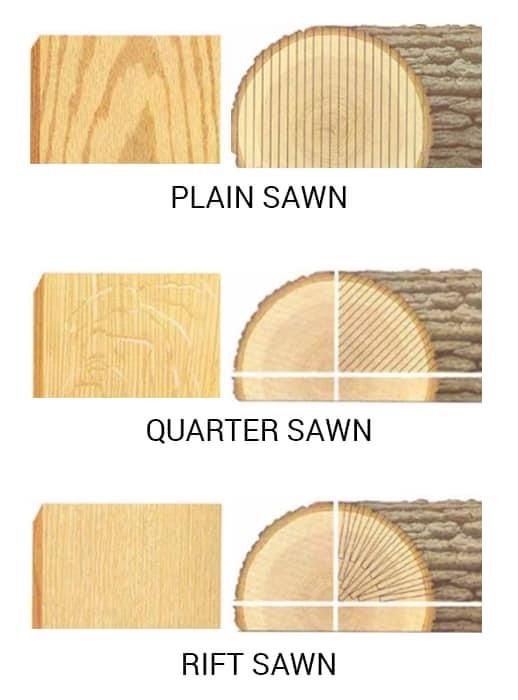
- Cut Styles:
- Plain Sawn wood shows more natural, varied grain patterns and is typically the most affordable.
- Quarter Sawn creates a straighter, more uniform grain and is more stable—but increases cost due to lower yield.
- Rift Sawn offers the most consistent, linear grain pattern, often used in high-end modern cabinetry, and is usually the most expensive cut.
Cost Insight:
Premium woods like walnut or rift-sawn white oak can increase cabinetry costs by 30–60% compared to standard maple or oak options.

Why Working with a Designer Matters
Cabinetry is not a small purchase—it’s a long-term investment in your home. With so many decisions layered together (style, finish, wood type, construction method), it’s easy to overspend in the wrong places or choose something that won’t age well.
Working with a designer helps:
- Balance budget and quality, ensuring you invest where it matters most
- Avoid costly mistakes in materials or layout
- Create a cohesive look that aligns with your home’s architecture
- Select timeless finishes that hold value over time
Designers also have access to trusted vendors, better pricing structures, and insight into lead times—saving you both money and headaches.
The Bottom Line
Cabinets truly can make or break the feeling of a home. They set the tone, influence functionality, and anchor the overall design. Because of their impact—and their cost—it’s one of the most important areas to get right.
If you’re considering a renovation or new build, cabinetry is not the place to guess. Thoughtful selections and expert guidance ensure your investment not only looks beautiful today but continues to add value for years to come.

.jpg)