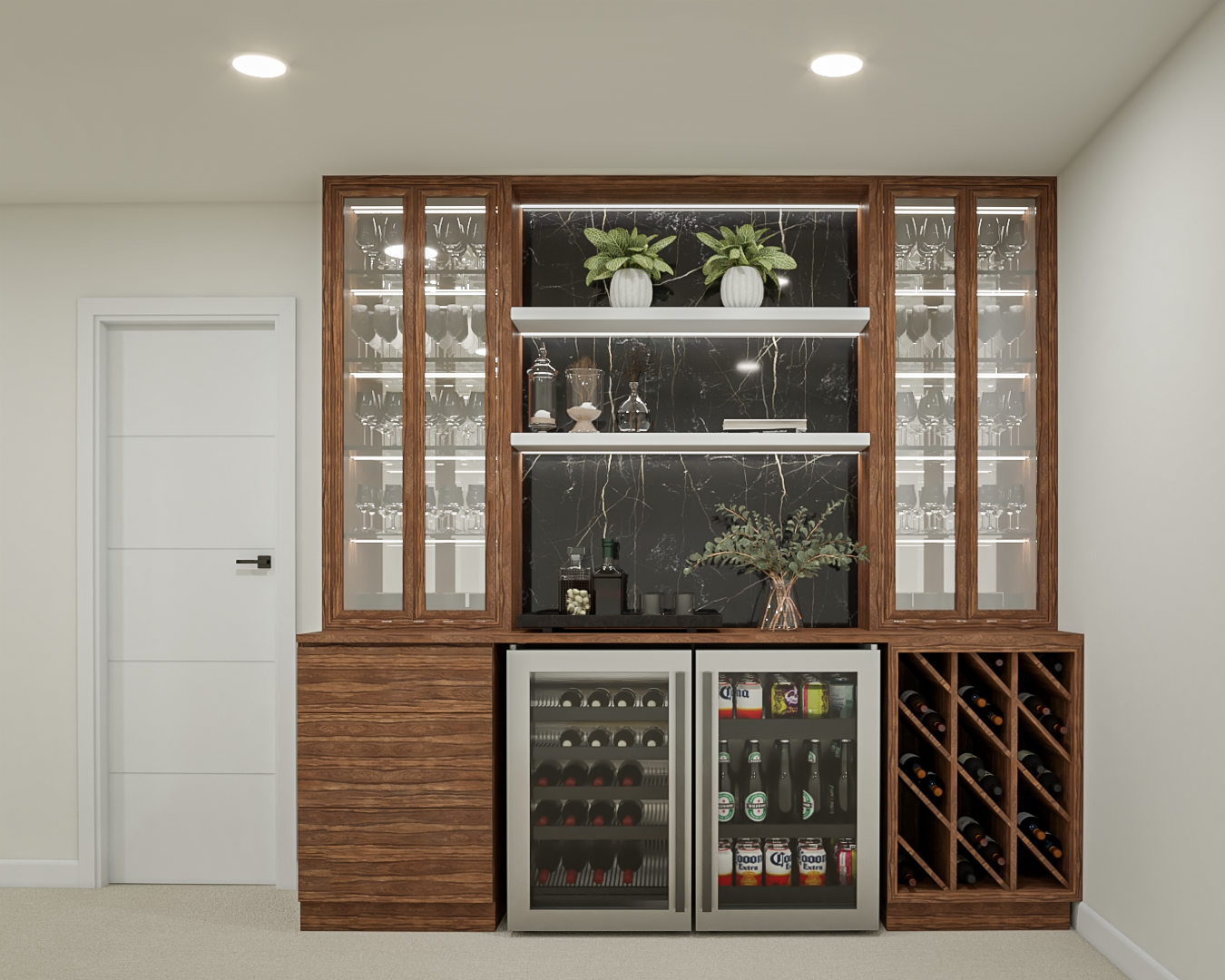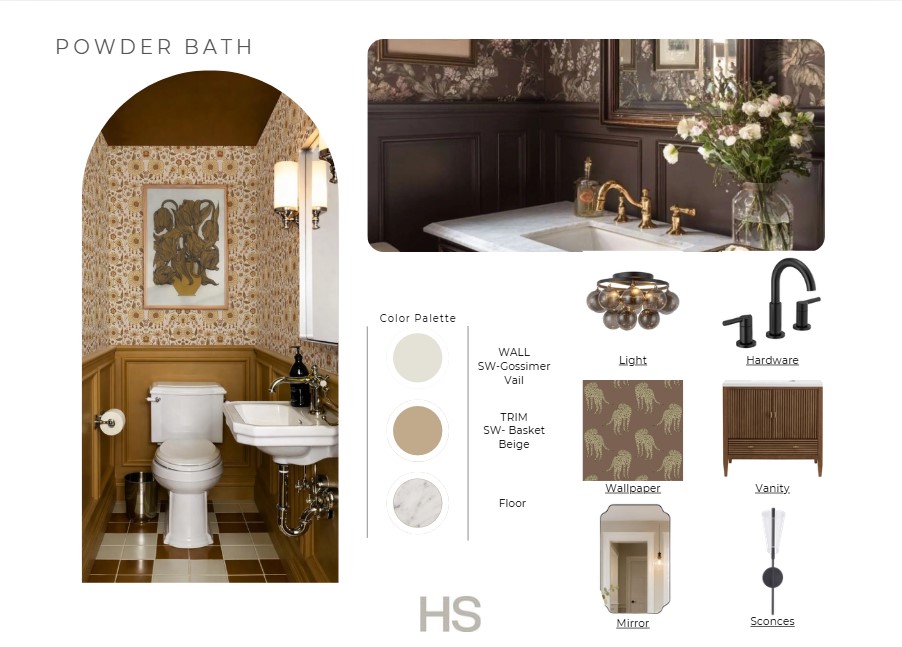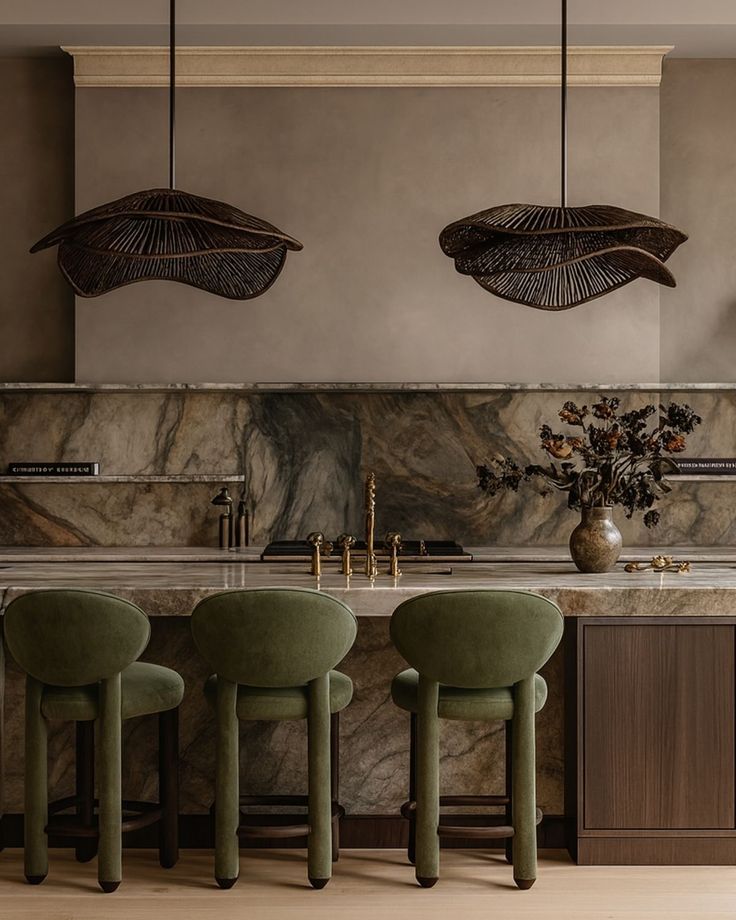
Natural stone has been used in architecture and design for centuries, and for good reason. Whether it's a dramatic marble accent wall, a quartzite kitchen countertop, a limestone fireplace surround, or a statement vanity, natural stone brings an unmatched level of beauty, character, and permanence to a space.
Unlike manufactured materials, every slab of natural stone is unique. The veining, movement, color variation, and texture are created by nature over thousands—even millions—of years. While this uniqueness is what makes natural stone so desirable, it also means the selection process requires more time, planning, and attention to detail than many homeowners initially expect.
Choosing the Right Stone for Your Application
One of the first decisions is determining where the stone will be used. Different applications have different performance requirements.
For example, a kitchen countertop experiences daily wear from cooking, spills, heat, and cleaning. A bathroom vanity may see less traffic but still needs to withstand moisture and cosmetic products. Accent walls and fireplace surrounds are largely decorative and may allow for more delicate materials that wouldn't be practical on a heavily used surface.
Some of the most popular natural stone options include:
- Marble – Known for its luxurious veining and timeless appearance. Marble is softer and more porous than some other stones, making it more susceptible to scratching and etching.
- Quartzite – One of the most sought-after materials today due to its durability and beautiful natural movement. Quartzite offers the elegance of marble with greater resistance to wear.
- Granite – Highly durable, heat-resistant, and available in a wide range of colors and patterns.
- Limestone and Travertine – Often used for fireplaces, feature walls, flooring, and bathrooms. These stones provide warmth and organic texture but may require additional maintenance.
- Soapstone – A softer stone known for its rich character and natural aging process.
A designer can help evaluate both the aesthetic and functional requirements of your project to ensure the stone you choose is suitable for its intended use.
Why Viewing Slabs in Person Matters
One of the biggest advantages of sourcing stone locally or regionally is the ability to view the actual slabs in person.
Photos can be misleading. Lighting, camera settings, and image editing can dramatically alter the appearance of a stone. A slab that appears creamy white online may reveal gray undertones in person. Veining patterns can also look very different when viewed across an entire slab versus a small sample.
When visiting a stone yard, homeowners often have the opportunity to hand-select the exact slab that will be installed in their home. This allows you to see the overall movement, color variation, and unique features that make each piece special.
Many fabricators will also review slab layouts with clients. Depending on the supplier, you may be able to select specific sections of the slab that will be featured prominently on a countertop, backsplash, waterfall edge, or vanity. Some suppliers allow complete slab selection, while others may limit selection to available slab inventory or edge sections only. Every supplier operates a little differently, which is why understanding the process early is important.
For highly veined stones, careful planning can create stunning bookmatched walls, dramatic waterfall islands, or continuous veining across backsplashes and countertops.
Understanding the Timeline
Natural stone is rarely an "order today, install tomorrow" material.
The process typically includes:
1. Stone Selection
This includes visiting stone yards, reviewing inventory, selecting slabs, and approving material.
2. Templating
Once cabinetry or substrates are installed, precise measurements are taken. Fabricators create digital templates to ensure the stone fits perfectly.
3. Fabrication
The stone is cut, edged, polished, and prepared according to the approved templates. Special details such as waterfall edges, mitered corners, integrated sinks, and custom profiles require additional fabrication time.
4. Installation
The finished pieces are transported and carefully installed. Larger slabs often require specialized equipment and multiple installers due to their weight and fragility.
Depending on the complexity of the project, fabrication and installation can take anywhere from a few weeks to over a month after final templating. This is why designers and contractors often encourage stone selections early in the construction process.
Maintenance: What Homeowners Should Know
A common misconception is that all natural stones perform the same. In reality, maintenance requirements vary significantly depending on the material and how it is used.
Marble
Marble is beloved for its elegance, but it does require care. Acidic substances such as lemon juice, wine, vinegar, and certain cleaning products can cause etching on the surface. Many homeowners embrace this natural patina as part of marble's character, while others may prefer a more durable alternative.
Quartzite
Quartzite is generally considered one of the more durable natural stones available. It offers excellent scratch resistance and performs well in kitchens, making it a favorite among homeowners seeking both beauty and practicality.
Limestone and Travertine
These stones tend to be more porous and may require more frequent sealing. They work beautifully in lower-traffic areas, accent walls, fireplaces, and luxury bathrooms where their natural texture can shine.
Granite
Granite remains one of the most durable natural stone options. It resists heat and scratches well and typically requires less maintenance than many softer stones.
The Importance of Sealing
Many natural stones benefit from periodic sealing to help reduce staining and moisture absorption.
The frequency depends on:
- The type of stone
- The finish (polished, honed, leathered, etc.)
- The amount of daily use
- Whether the stone is installed indoors or outdoors
A kitchen island used multiple times daily may require more attention than a decorative fireplace surround. Likewise, natural stone flooring in a busy household will experience different wear patterns than a guest bathroom vanity.
Embracing Nature's Imperfections
Perhaps the most important thing to understand about natural stone is that variation is not a flaw—it's the feature.
Small fissures, veining, movement, color shifts, and naturally occurring patterns are what make each installation unique. No two slabs are identical, and that's precisely what gives natural stone its enduring appeal.
While engineered materials offer consistency, natural stone tells a story that cannot be replicated. It creates spaces that feel collected, organic, and timeless.
We hope this guide has given you insight into the artistry and planning behind natural stone selections. While every project is unique, taking the time to choose the right material, slab, and application can result in a one-of-a-kind feature that elevates your home for years to come.