When you’re ready to build or move into a home for this next chapter of life, there’s more to consider than simply finding a beautiful floor plan or choosing finishes you love. Your home should also make everyday life easier, more comfortable, and more enjoyable as your needs change over time.
As our bodies change, the way we move through and use our homes can change too. Stairs may become more difficult, reaching into deep cabinets may not be as convenient, and things like balance, mobility, and accessibility can become more important considerations.
That doesn’t mean your home needs to look clinical or feel like it was designed around limitations. Quite the opposite. Thoughtful interior design can incorporate these considerations beautifully and discreetly, creating a home that feels elevated and stylish while being easier to live in for years to come.
This is where working with an interior designer during the building or renovation process can be especially valuable.
Start With How You’ll Live in the Home
Before selecting finishes and furniture, think about how you want to move through your home every day.
An interior designer can help evaluate the functionality of the entire floor plan and identify opportunities to make daily routines easier. Ideally, frequently used spaces—such as the primary bedroom, bathroom, kitchen, laundry room, living spaces, and garage entry—can be located on one easily accessible level.
If your home includes stairs, there are still ways to make them safer and more comfortable through thoughtful stair dimensions, secure handrails, quality lighting, and appropriate flooring materials.
The goal is to create a home that supports the way you live rather than requiring you to constantly work around it.
Consider Mobility Before It Becomes a Concern
One of the biggest benefits of planning ahead is that you can incorporate accessibility features before you need them.
Wider pathways and doorways, comfortable furniture clearances, easy-to-reach switches and outlets, and thoughtfully positioned storage can make a home more comfortable without making it feel “accessible.”
These details can be especially helpful if mobility becomes more limited in the future or if you simply find that certain movements aren't as comfortable as they once were.
Make the Bathroom Beautiful and Functional
Bathrooms are one of the most important spaces to consider when designing a home for the years ahead.
Features such as:
- Curbless or low-threshold showers
- Built-in shower seating
- Handheld showerheads
- Slip-resistant tile
- Strategically placed grab bars
- Reinforced walls for future grab bars
- Comfortable-height vanities and toilets
- Adequate space around fixtures
can all make a bathroom easier and safer to use.
And these features don't have to compromise the design. With the right materials and detailing, they can feel like intentional, luxurious design choices rather than adaptations.
Pay Attention to Flooring
Flooring is another area where aesthetics and functionality should work together.
Smooth transitions between flooring materials can reduce trip hazards, while slip-resistant materials can provide additional security in bathrooms, kitchens, laundry rooms, and entryways.
An interior designer can help you select materials that provide the performance you need while still achieving the look and feel you want throughout your home.
Make the Kitchen Work Smarter
The kitchen is one of the hardest-working spaces in a home, so it deserves extra consideration.
Deep lower cabinets can be difficult to access, while drawers allow you to see and reach what you need more easily. Frequently used appliances and storage should be positioned with convenience in mind, and adequate space between countertops and islands can make moving around the kitchen much easier.
Even small details—like the placement of cabinet hardware, appliance controls, lighting, and outlets—can have a significant impact on how comfortable the space is to use.
Don't Forget the Laundry Room
The laundry room is another everyday space that is easy to overlook.
If possible, keeping laundry on the same floor as the primary bedroom can eliminate unnecessary trips up and down stairs. Front-loading appliances can make loading and unloading easier, while a comfortable folding surface and accessible storage can make the entire process more convenient.
These aren't glamorous design decisions, but they're exactly the kinds of details that can make a home feel significantly easier to live in.
Think About Lighting and Visibility
Good lighting becomes increasingly important as we get older.
A well-designed home should have plenty of layered lighting throughout hallways, stairways, bathrooms, kitchens, and other frequently used areas. Under-cabinet lighting, illuminated stairways, bedside controls, and well-placed switches can all improve visibility and make everyday activities easier.
Natural light is another wonderful consideration. Large windows and thoughtfully positioned lighting can help create a home that feels bright, welcoming, and comfortable throughout the day.
Design for Comfort Without Sacrificing Style
Perhaps the most important thing to remember is that planning for the future doesn't mean sacrificing the design you love today.
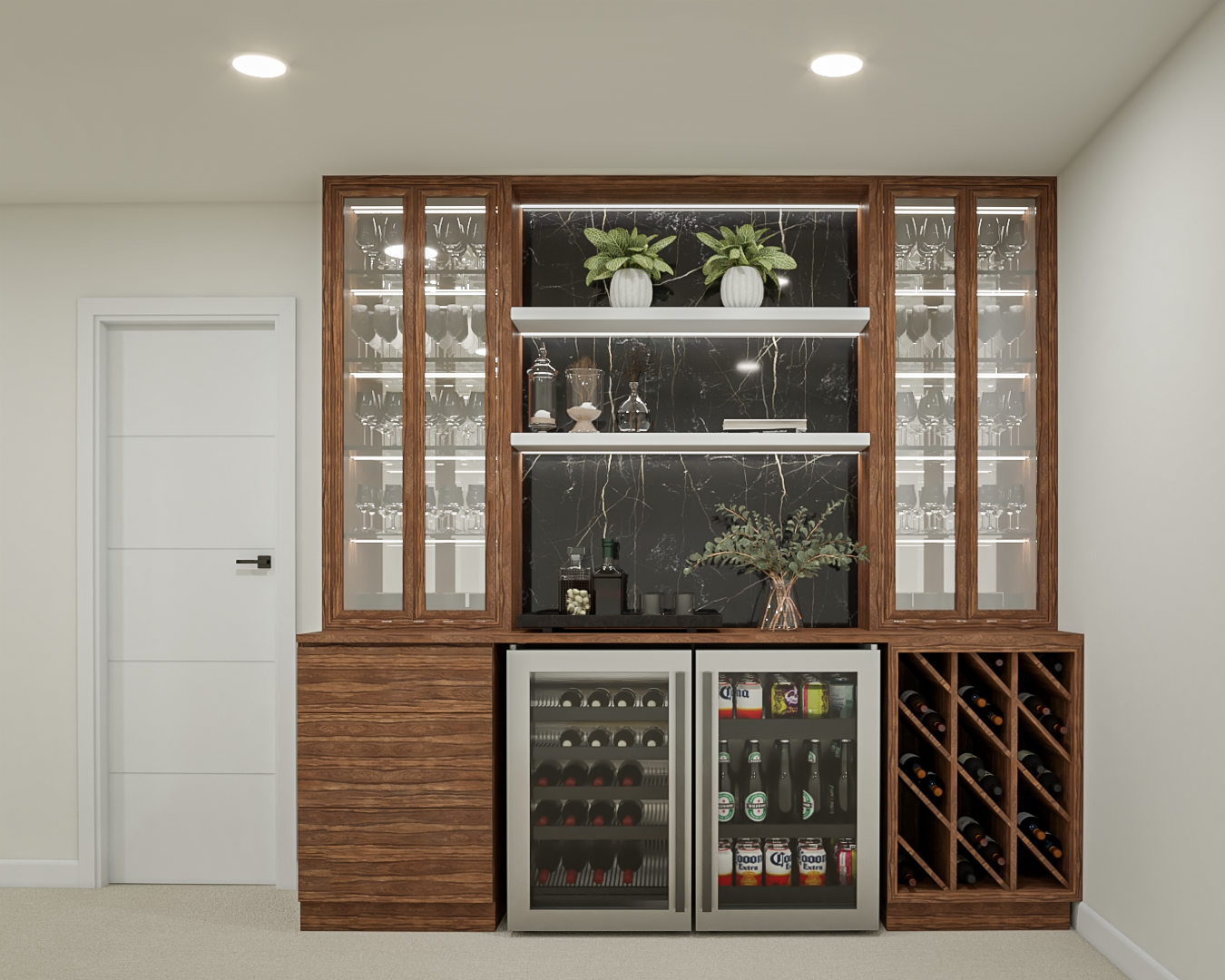
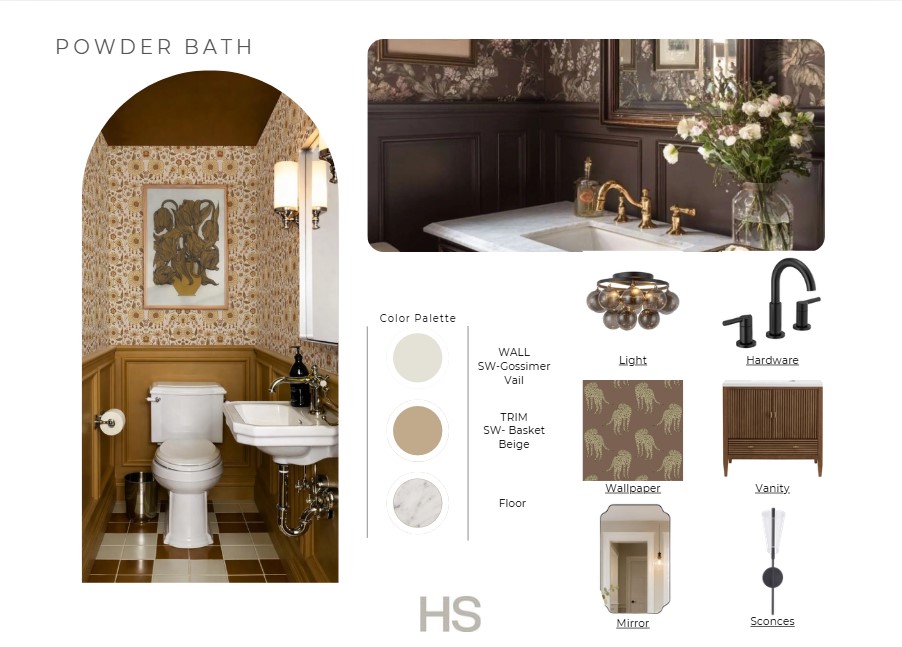
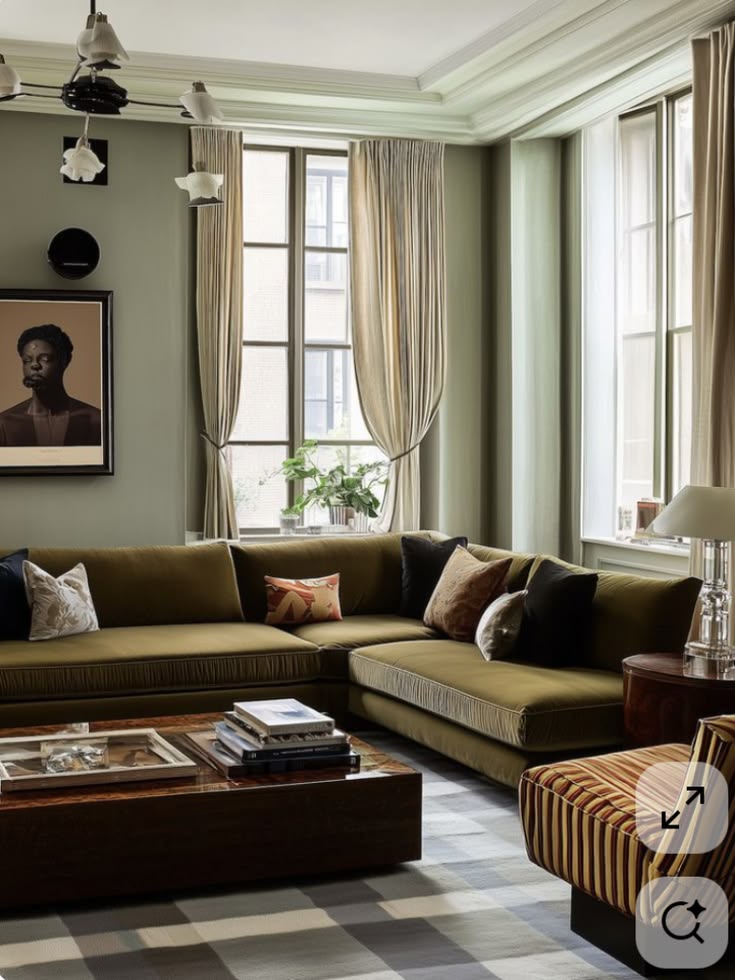
Your home can still have beautiful finishes, statement lighting, custom cabinetry, gorgeous tile, and furniture that reflects your personal style.
The best design solutions are often the ones you don't even notice. A beautiful shower can also be a safer shower. A stylish kitchen can also be easier to navigate. A thoughtfully designed floor plan can make everyday life more comfortable without looking any different from the home you envisioned.
Your Home Should Grow With You
Choosing to build or move into a home for this stage of life is an exciting opportunity to be intentional about how you want to live for years to come.
Rather than waiting until mobility or accessibility becomes a challenge, planning for those possibilities now allows you to create a home that is comfortable and functional from the very beginning.
An interior designer can help you look beyond how your home will function today and design for the life you'll be living in it years from now.
Because your forever home should be more than beautiful—it should make everyday life feel a little easier, too.