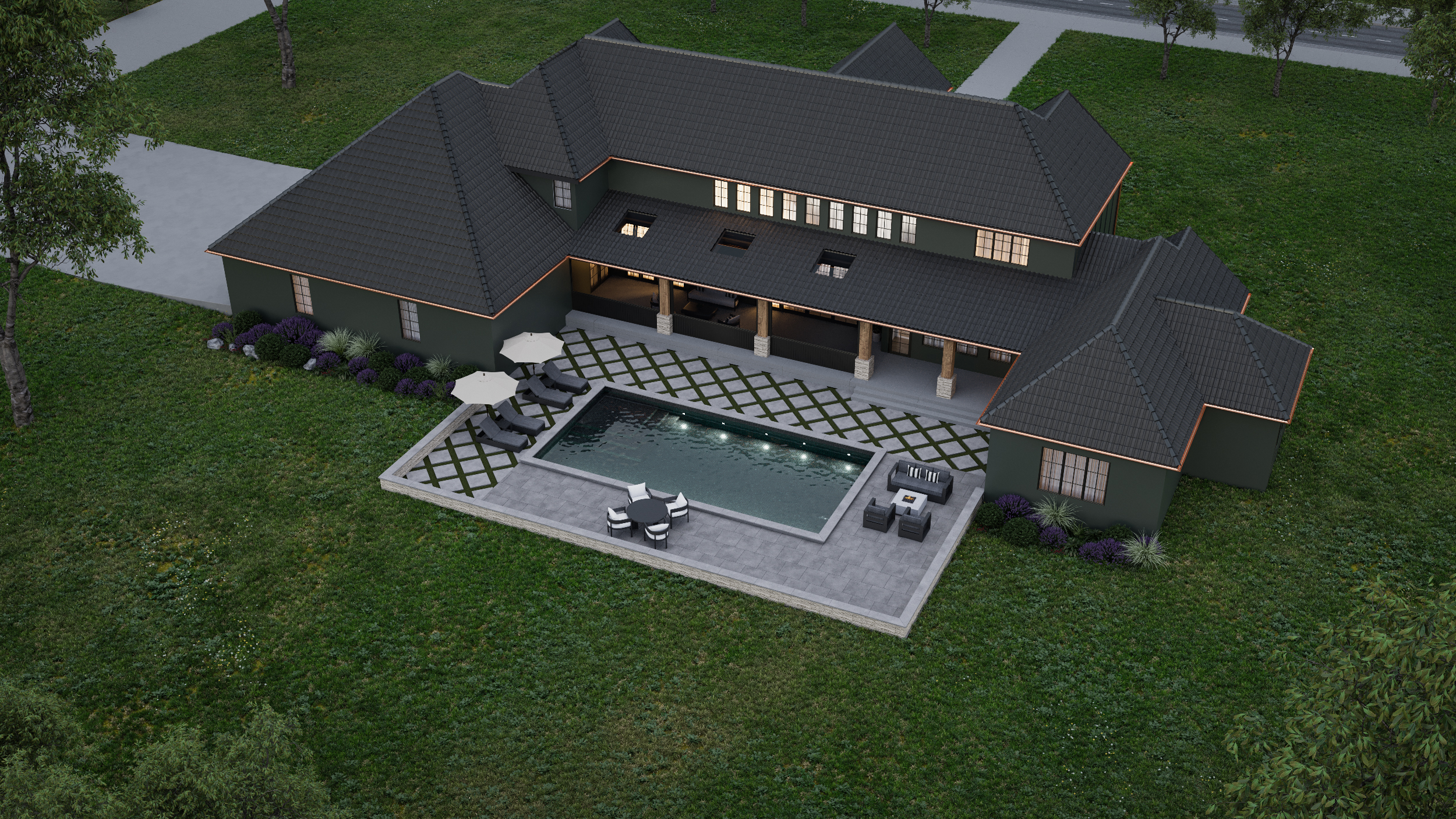
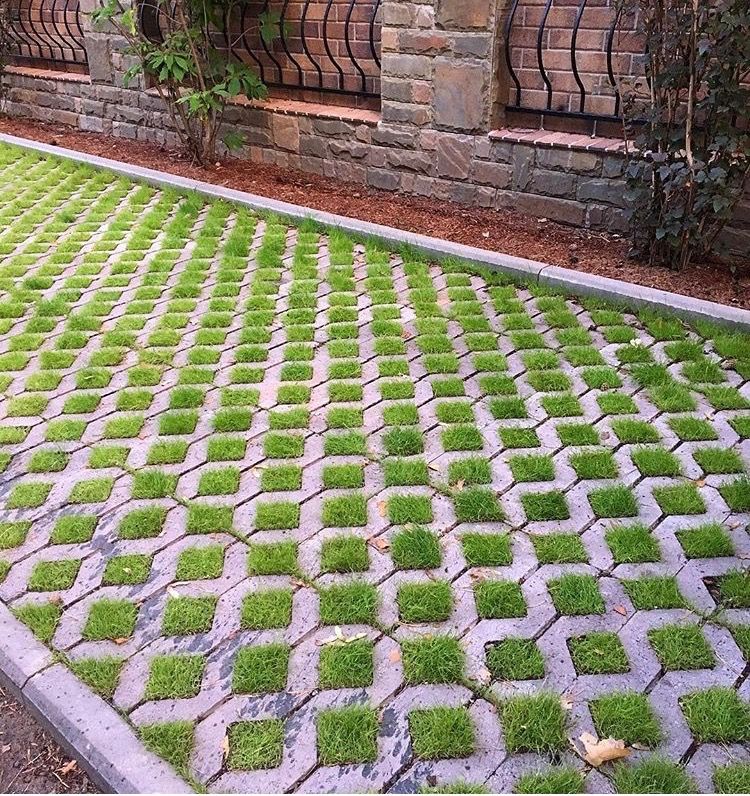
At first glance, pavers with grass growing between them feel like a purely aesthetic choice—soft, organic, and visually grounding. But this design approach is doing far more than looking beautiful. Grass-joint pavers (sometimes called permeable or open-cell pavers) are a time-tested, environmentally responsible solution that blends form, function, and sustainability in a way few exterior materials can.
Beauty That Breathes
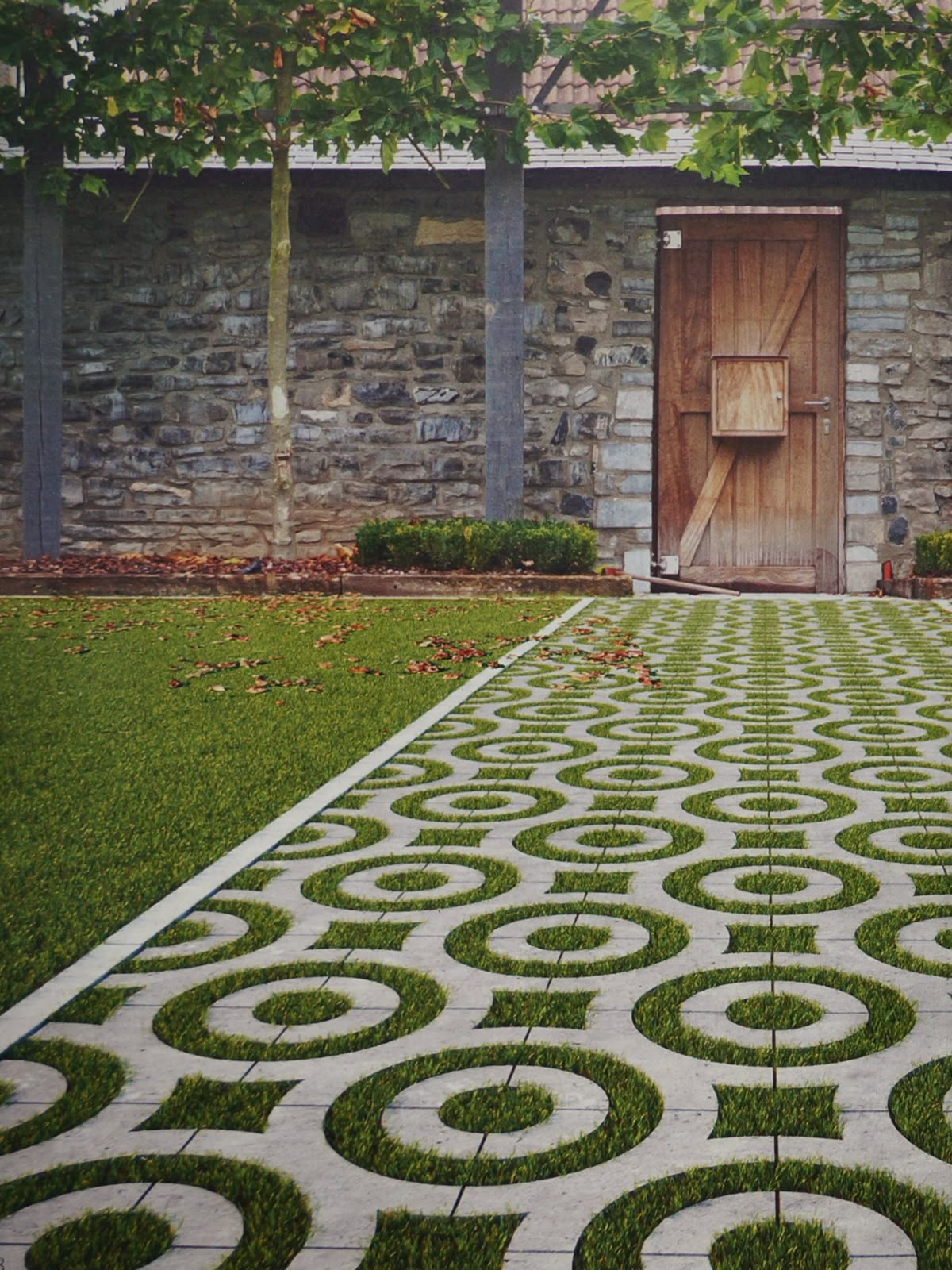
Traditional hardscapes often read as solid, heavy, and unyielding. Grass-joint pavers introduce negative space—allowing greenery to weave through stone or concrete—which immediately softens the overall look. They create a sense of permeability and calm, helping outdoor spaces feel more connected to the surrounding landscape rather than imposed upon it.
This visual rhythm of structure and softness works across architectural styles, from modern and minimal to rustic and traditional. It’s a design choice that feels intentional without feeling overdesigned.
Functional by Design
Beyond aesthetics, grass-joint pavers are incredibly practical.
Water Management
Unlike solid concrete or asphalt, these systems allow rainwater to infiltrate the ground naturally. This reduces stormwater runoff, helps prevent pooling and erosion, and supports healthier soil systems. In areas prone to heavy rain or flooding, this permeability can make a meaningful difference in how water moves across a site.
Reduced Heat Absorption
Hard surfaces absorb and retain heat, contributing to the urban heat island effect. Grass-joint systems stay noticeably cooler thanks to the vegetation and airflow between pavers. This helps create more comfortable outdoor environments—especially in driveways, courtyards, and patios exposed to direct sun.
Durability Where It Counts
When properly installed, grass-joint pavers can support vehicular traffic while still maintaining their permeable qualities. That makes them ideal for driveways, parking areas, and access paths where strength is required without sacrificing environmental performance.
Recognized in Sustainable Design (Yes, Even LEED)
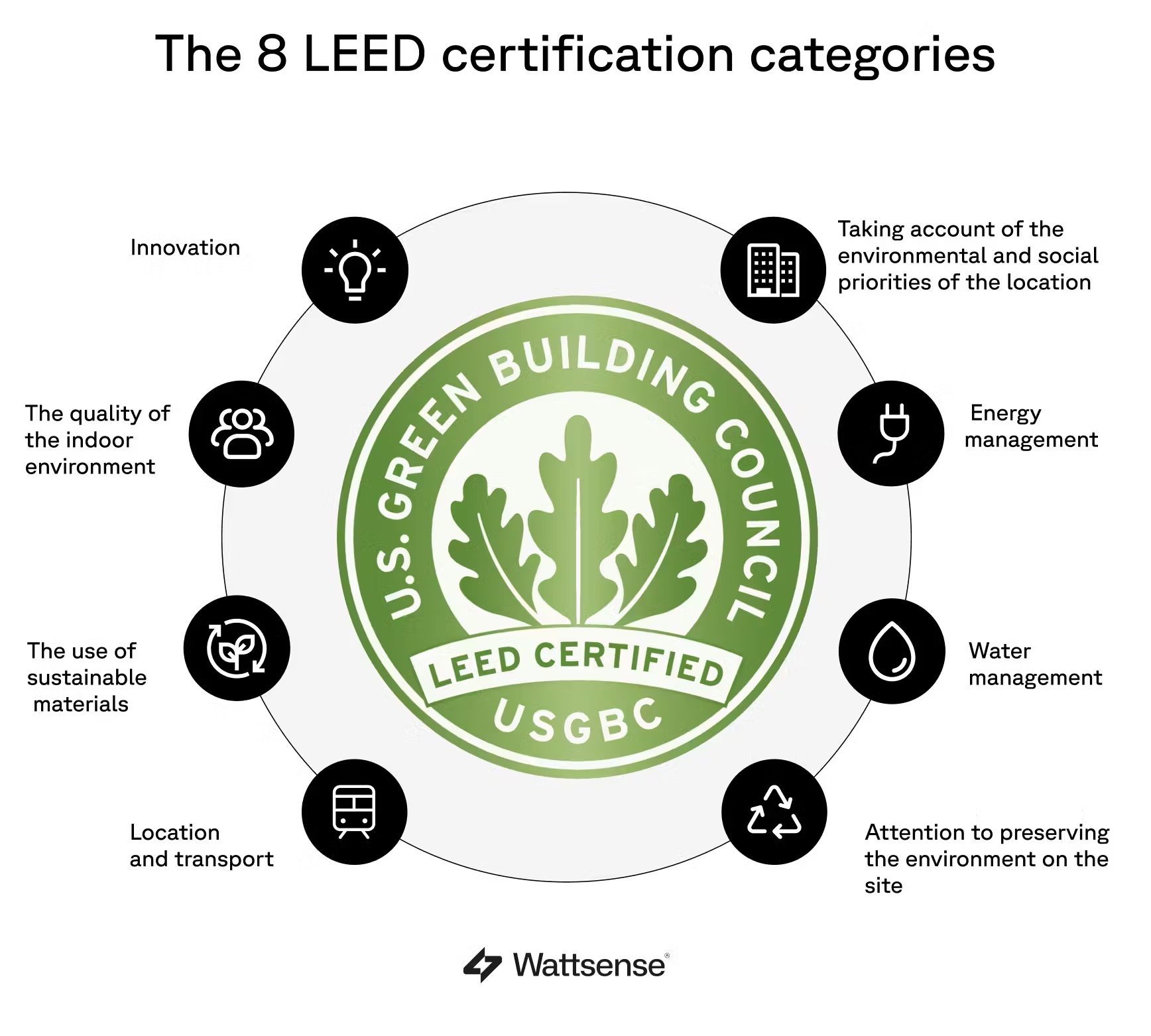
Permeable paving systems are frequently referenced in LEED (Leadership in Energy and Environmental Design) guidelines for their role in sustainable site development. These systems can contribute to credits related to:
- Stormwater management
- Heat island reduction
- Sustainable site design
By allowing water infiltration and reducing surface temperatures, grass-joint pavers align seamlessly with broader sustainability goals—proving that eco-conscious design doesn’t have to look utilitarian.
A Design Rooted in History
While this approach feels contemporary, it’s far from new. Historically, permeable paving has been used in European courtyards, rural estates, and service roads where durability and land stewardship were equally important. Long before modern sustainability metrics existed, builders understood the value of letting the ground breathe.
Today’s systems simply refine and modernize these principles—using improved materials, structural grids, and engineered bases to meet modern performance needs.
Where Grass-Joint Pavers Shine
This versatility is part of what makes them so compelling. They can be used in a wide range of applications, including:
- Driveways that feel welcoming instead of stark
- Parking areas that reduce runoff, heat island effect, and visual bulk
- Patios and courtyards that stay cooler and more inviting
- Garden paths and walkways that blend seamlessly into the landscape
- Fire access lanes or service drives where strength and permeability are both essential

A Thoughtful Choice for the Future
Grass-joint pavers are a reminder that good design doesn’t need to choose between beauty and responsibility. They invite nature back into our built environments, support healthier ecosystems, and create outdoor spaces that feel intentional, grounded, and enduring.
In a world where so many exterior surfaces are sealed, solid, and heat-absorbing, allowing a little green space to grow through the cracks might just be one of the most impactful design decisions we can make.